The internet is going through one of its biggest transformations since the birth of social media, and at the center of it is a single question: how is Web3 reshaping the internet today? For decades, we’ve used a version of the internet controlled largely by a handful of tech giants — one where our data, content, and digital identities live on servers we don’t own. Web3 flips that model on its head. Built on blockchain technology, decentralization, and user ownership, Web3 is changing how we browse, transact, create, and even govern online communities. Whether you’re a casual internet user, a business owner, or a developer, understanding how Web3 is reshaping the internet today isn’t just useful — it’s becoming essential. In this article, we’ll break down what Web3 actually means, the technologies driving it, and the real-world impact it’s having right now.
What Is Web3? A Quick Refresher
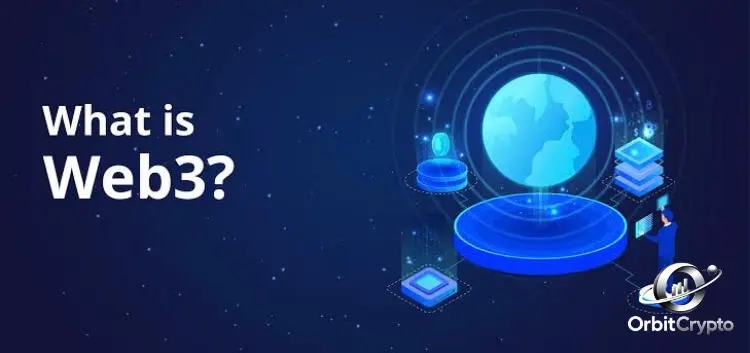
Before diving into how Web3 is reshaping the internet today, it helps to understand what Web3 actually is. Web3 refers to the third generation of the internet, built on decentralized blockchain networks rather than centralized servers owned by corporations.
To put it in context:
- Web1 (1990s–early 2000s): Static, read-only websites.
- Web2 (2000s–present): Interactive, social, but controlled by centralized platforms like Facebook, Google, and Amazon.
- Web3 (emerging now): Decentralized, user-owned, and powered by blockchain, smart contracts, and tokens.
Instead of trusting a single company to store your data or verify your identity, Web3 uses distributed networks where no single entity has full control. This shift is foundational to understanding how Web3 is reshaping the internet today across nearly every digital industry.
How Web3 Is Reshaping the Internet Today
This is the core of the conversation — and the reason so many businesses, developers, and everyday users are paying attention. Web3 isn’t a distant, futuristic concept anymore; it’s actively changing how digital systems function right now.
1. Decentralization Is Replacing Centralized Control
One of the clearest ways Web3 is reshaping the internet today is through decentralization. Instead of a single company owning and controlling a platform’s data, Web3 applications run on distributed blockchain networks maintained by thousands of independent nodes worldwide.
This means:
- No single point of failure
- Reduced risk of censorship
- Greater transparency in how platforms operate
For users, this translates into more control over their own information — a stark contrast to the Web2 model where platforms can suspend accounts, sell user data, or change rules without consent.
2. Digital Ownership Through NFTs and Tokens
Ownership is another area where Web3 is making a measurable impact. Non-fungible tokens (NFTs) allow users to own verifiable digital assets — art, music, in-game items, even domain names — recorded permanently on a blockchain.
This matters because, for the first time, digital items can carry the same kind of provable ownership as physical property. Creators can sell work directly to buyers without relying on a middleman platform that takes a large cut of the profits.
3. Smart Contracts Are Automating Trust
They remove the need for intermediaries like banks, lawyers, or escrow services in many types of transactions.
For example, a smart contract can automatically release payment once a freelancer delivers a project, or distribute royalties to musicians every time their song is streamed — instantly and without a third party.
4. Decentralized Finance (DeFi) Is Changing Money Movement
DeFi platforms let people lend, borrow, trade, and earn interest without going through a traditional bank. This is one of the most tangible examples of how Web3 is reshaping the internet today, especially for people in regions with limited access to traditional banking systems.
5. DAOs Are Redefining Online Governance
Decentralized Autonomous Organizations (DAOs) allow communities to make collective decisions through token-based voting instead of relying on a CEO or board of directors. This is reshaping how online communities, projects, and even investment groups are governed — putting decision-making power directly into the hands of participants.
Why Web3 Matters for Businesses and Creators
Greater Control Over Digital Assets
Businesses building on Web3 infrastructure gain more control over their platforms, reducing dependency on centralized providers that can change policies or pricing at will.
New Revenue Models for Creators
Artists, writers, and musicians can monetize their work directly through NFTs, token-gated content, and decentralized marketplaces — cutting out platforms that traditionally took a significant percentage of earnings.
Challenges Facing Web3 Adoption
It’s worth noting that the shift isn’t without obstacles. Common challenges include:
- Scalability issues — blockchain networks can be slower and more expensive than centralized alternatives.
- Regulatory uncertainty — governments worldwide are still developing clear rules around crypto and blockchain-based platforms.
- User experience — Web3 tools can be complex for non-technical users, which slows mainstream adoption.
- Environmental concerns — some blockchain networks consume significant energy, though many are transitioning to more sustainable models.
Real-World Examples of Web3 in Action
- Decentralized social media platforms giving users ownership of their content and followers.
- Blockchain-based gaming where players truly own in-game assets and can trade them freely.
- Decentralized marketplaces connecting buyers and sellers without a centralized platform taking a cut.
- Tokenized loyalty programs letting customers earn and trade rewards across multiple brands.
These examples highlight just how far-reaching the impact of Web3 has become across industries — from entertainment to finance to retail.
What This Means for the Future of the Internet
As adoption grows, we can expect to see more hybrid models where Web2 platforms integrate Web3 features like crypto payments, NFT integrations, and decentralized identity systems.
If you’re building out related content on your site, consider linking this article internally using anchor text such as “learn more about blockchain technology basics” to guide readers toward foundational conte
Conclusion
Web3 isn’t a passing trend — it’s a foundational shift in how the internet operates, and understanding how Web3 is reshaping the internet today puts you ahead of the curve, whether you’re a business owner, creator, or everyday user. From decentralized finance to digital ownership and community-driven governance, the impact is already visible across multiple industries. As this technology matures, staying informed will help you make smarter decisions about the platforms you use and build. Ready to explore what Web3 can do for you? Start experimenting with a decentralized wallet or platform today and see firsthand how Web3 is reshaping the internet — one block at a time.