
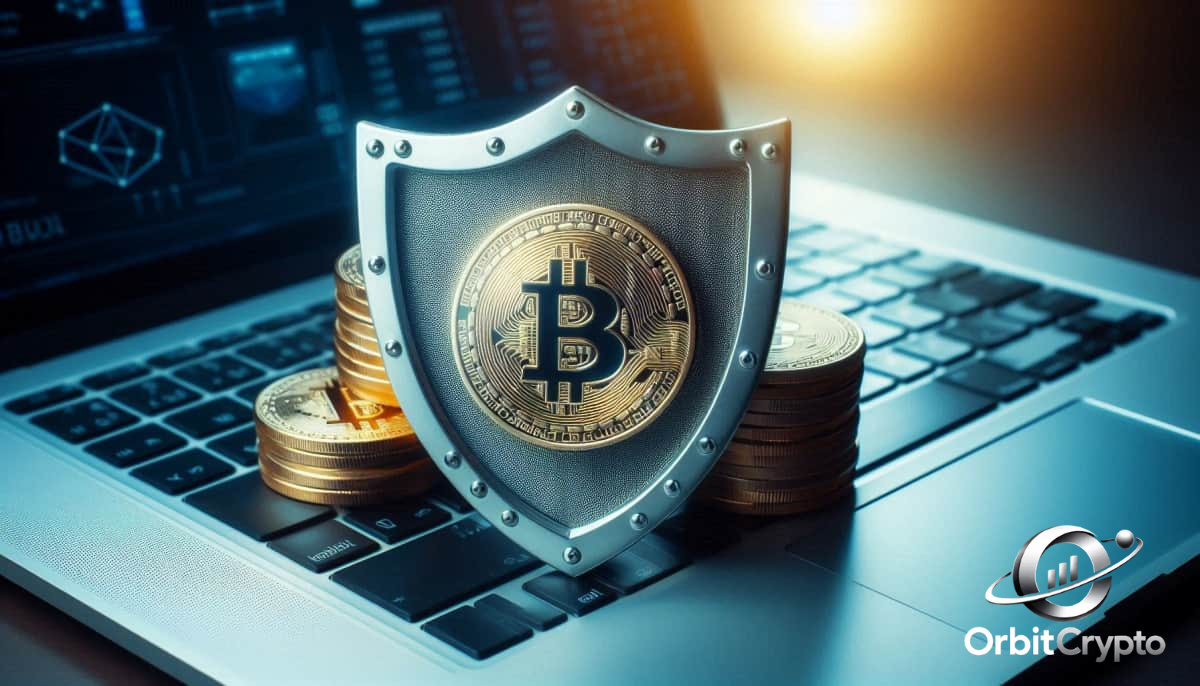
Owning crypto means you are your own bank, and that is both the appeal and the danger. There is no fraud department to call and no bank to reverse a bad transfer. If someone drains your wallet, the money is almost always gone for good. That is why crypto security best practices every investor must know are not optional extras. They are the foundation of owning digital assets at all.
The good news is that most thefts are not elaborate Hollywood-style hacks. They come from weak passwords, fake websites, careless seed phrase storage, and social engineering. Those are mistakes you can prevent. In this guide, you will learn how to secure crypto step by step, from choosing the right wallet to spotting scams before they cost you money. Whether you hold
Why Crypto Security Matters More Than Ever
Crypto transactions are irreversible. Once you sign and send a transaction, the blockchain does not care whether you were tricked, rushed, or hacked. That one feature makes security the most important skill a crypto investor can learn.
Attackers know this. They target individual investors because individuals are often the weakest link. A developer might protect a protocol with expensive audits, but a casual holder might reuse the same password across five websites. Criminals run phishing campaigns, build fake apps, and impersonate support staff, all hoping that one in a hundred victims will slip.
Understanding the main threats makes defending against them far easier. The most common risks include:
- Phishing: fake emails, texts, and websites that steal your login or seed phrase
- Malware: software that records keystrokes or swaps wallet addresses when you paste them
- Exchange failures: platforms that get hacked, freeze withdrawals, or collapse
- SIM swapping: attackers hijacking your phone number to bypass SMS verification
- Rug pulls and fake projects: tokens designed to disappear with investor money
With that picture in mind, let’s walk through the crypto security best practices every investor must know, starting with the single most important decision: where you store your coins.
Crypto Security Best Practices Every Investor Must Know
Think of the following practices as layers. No single layer is perfect, but together they make you a much harder target than the average holder.
1. Use a Hardware Wallet for Long-Term Holdings
Because the keys never touch your internet-connected computer or phone, malware has a very hard time stealing them. Each transaction must be physically confirmed on the device, which blocks most remote attacks.
Buy it only from the manufacturer’s official website or an authorized reseller. Never buy a used or “pre-initialized” device, because a tampered wallet can be rigged to leak your keys. When it arrives, check that the packaging is intact and that you set up the PIN and recovery phrase yourself.
Follow these rules without exception:
- Never type it into a website, app, or form. No legitimate support agent will ever ask for it.
- Never store it digitally. Skip screenshots, cloud notes, email drafts, and password managers.
- Write it on paper or stamp it into metal. Metal backup plates survive fire and water far better than paper.
- Store copies in separate, secure places, such as a home safe and a bank deposit box. There are no exceptions.
3. Turn On Two-Factor Authentication the Right Way
But not all 2FA is equal. SMS codes are the weakest option because attackers can hijack phone numbers through SIM swapping.
Instead, use an authenticator app or, better, a physical security key such as a FIDO2 device. Enable 2FA on every account connected to crypto, including your email, because email is usually the “reset password” gateway to everything else. Save your backup codes offline, and make sure you can recover access if you lose your phone.
4. Build Strong, Unique Passwords
Reusing passwords is one of the easiest ways to lose money. When one website suffers a data breach, criminals try the leaked email and password combinations on exchanges and wallets automatically.
Use a reputable password manager to generate long, random passwords for every account. A good rule is at least 16 characters, with no personal details.
5. Use a Dedicated Email Address for Crypto
This reduces the chance of targeted phishing and keeps your most important recovery channel clean.
Hot Wallet vs Cold Wallet: Which Is Safer?
Choosing between a hot wallet and a cold wallet is a core part of crypto wallet security, so it helps to understand the difference.
What Is a Hot Wallet?
A hot wallet is connected to the internet. Examples include mobile apps, browser extensions, and exchange accounts. Hot wallets are convenient for trading, paying, and using decentralized apps. The trade-off is exposure: because they are online, they are more vulnerable to malware, phishing, and remote attacks.
What Is a Cold Wallet?
Hardware wallets are the most popular type, though paper wallets and air-gapped devices also qualify. Cold storage is slower to use but offers much stronger protection against online threats.
The Smart Approach: Split Your Funds
Most experienced investors use both. Keep a small amount in a hot wallet for everyday use, the way you carry cash in your pocket. Keep the majority in cold storage, the way you would keep savings in a vault. If your hot wallet is ever compromised, the damage stays limited.
How to Avoid Common Crypto Scams and Phishing Attacks
Technology can only do so much. Many of the biggest losses happen because someone was persuaded to hand over access willingly. Learning to recognize scams is one of the crypto security best practices every investor must know.
Spot Phishing Before You Click
Phishing messages often create urgency: “Your account has been suspended,” “Verify your wallet now,” or “Claim your airdrop before it expires.” The link usually leads to a convincing copy of a real website.
Protect yourself with these habits:
- Type the website address yourself, or use a saved bookmark for exchanges and wallets.
- Check the URL carefully for small spelling changes, such as an extra letter or a different domain ending.
- Never click links in unexpected emails, texts, or direct messages.
- Be suspicious of search ads, because scammers pay to appear above the real site.
Beware of Fake Support and Impersonators
Scammers monitor social media and Discord servers, waiting for someone to post a problem. Then they send a friendly direct message offering “help.” Real support teams do not start private chats, ask for your seed phrase, or request remote access to your computer. Ignore every unsolicited DM.
Avoid Giveaway, Romance, and “Guaranteed Profit” Scams
If someone promises to double your crypto, treat it as fraud. Fake celebrity giveaways, “send 1 BTC and get 2 back” posts, and guaranteed-return trading bots are classic traps. Romance scams are just as dangerous: a stranger builds a relationship online, then introduces a “can’t-lose” investment platform. If an opportunity requires secrecy or pressure, walk away.
Defend Against SIM Swapping
In a SIM swap, a criminal convinces your mobile carrier to move your number to their SIM card. Once they control your number, they can intercept SMS codes and reset your passwords. To reduce the risk, remove SMS as a 2FA method wherever possible, add a PIN or passcode to your mobile account, and avoid posting your phone number publicly.
Exchange Security: How to Choose and Use a Safe Platform
Many investors buy crypto on an exchange, so exchange security deserves its own attention. Remember the old saying: “Not your keys, not your coins.” When you leave funds on an exchange, you rely on the platform to protect them.
What to Look For in an Exchange
Before depositing money, research the platform. A trustworthy exchange typically offers:
- Strong security features, including 2FA, withdrawal address whitelisting, and anti-phishing codes
- Clear regulatory standing and transparent company information
- A track record of handling incidents openly
- Proof of reserves or regular third-party audits
- Responsive customer support through official channels
Safer Habits When Using Exchanges
Enable withdrawal whitelisting so funds can only be sent to pre-approved addresses. Set up an anti-phishing code, which appears in genuine emails from the exchange. Review your active sessions and API keys regularly, and delete any you do not recognize. Most importantly, do not use an exchange as long-term storage. Withdraw coins you do not plan to trade into your own wallet.
DeFi, NFT, and Smart Contract Security Tips
Decentralized finance opens exciting opportunities, but it also introduces new risks. Smart contracts can contain bugs, and malicious ones are designed to drain wallets.
Check Token Approvals
When you connect your wallet to a DeFi app, you often grant a contract permission to spend your tokens. Some approvals are unlimited. Review and revoke old permissions regularly using an approval-checking tool from a trusted source. This is a simple step that many investors overlook.
Test Before You Commit
Send a small test transaction before moving a large amount. Read what you are signing in your wallet pop-up, and be cautious if a request is vague or asks for broad permissions.
Research Projects Before Investing
Look for audited code, a transparent team, and active community discussion. Be wary of tokens with locked-in liquidity that is not verified, anonymous teams with unrealistic promises, or sudden hype with no real product. A project that cannot explain how it works is a warning sign.
Use a Separate Wallet for Risky Activity
Keep one wallet for experimenting with new apps, minting NFTs, or claiming airdrops, and fund it with only what you can afford to lose. Your main holdings stay in a separate wallet that never connects to unknown sites.
Secure Your Devices and Your Network
Even the best wallet cannot help if your device is already compromised.
Keep Software Updated
Install operating system and app updates promptly, since many include fixes for known security holes. Use reputable antivirus or endpoint protection, and download wallet software only from official sources.
Avoid Public Wi-Fi for Crypto Activity
Public networks make it easier for attackers to intercept traffic. If you must use them, connect through a trusted VPN, or better yet, wait until you are on a private connection before accessing wallets or exchanges.
Be Careful With Clipboard Malware
Some malware silently replaces a copied wallet address with the attacker’s address. Always compare the first and last several characters of the address before confirming a transaction, and consider sending a small test amount first.
Lock Down Your Phone and Computer
Use a strong passcode and biometric lock, enable full-disk encryption, and turn on remote-wipe features. If you travel often, keep crypto activity off shared or borrowed devices entirely.
Plan for the Worst: Backups and Inheritance
Security is not only about stopping thieves. It is also about making sure you never lose access yourself. Many coins are lost forever because of forgotten passwords, damaged devices, or the death of an owner who left no instructions.
Test your backup by restoring a wallet on a spare device with a tiny balance. Keep a written recovery plan that a trusted person can follow, without writing your seed phrase in a place others can casually find. Some investors use multi-signature wallets, which require more than one key to approve a transaction, adding both safety and redundancy. Review your setup at least once a year, and update it when your holdings grow.
Quick Crypto Security Checklist
Use this list to audit your own setup:
- Move long-term holdings to a hardware wallet.
- Store your seed phrase offline, in more than one secure location.
- Enable authenticator-app or hardware-key 2FA everywhere.
- Use unique, random passwords from a password manager.
- Bookmark official sites and never click links in unsolicited messages.
- Whitelist withdrawal addresses on your exchange.
- Review and revoke DeFi token approvals regularly.
- Update your devices and avoid public Wi-Fi for crypto.
- Create a backup and recovery plan.
Conclusion: Take Control of Your Crypto Security Today
Protecting digital assets does not require technical genius. It requires consistent habits: store your coins smartly, guard your seed phrase, enable strong 2FA, and treat every unexpected message with suspicion. The crypto security best practices every investor must know all come down to reducing your exposure and staying one step ahead of attackers.
Take ten minutes right now to audit your setup. Enable authenticator-based 2FA, review your exchange settings, and decide whether it is time to move your holdings to cold storage. Then share this guide with a friend who is new to crypto, and bookmark it so you can revisit these crypto security best practices every investor must know whenever your portfolio grows. Your future self will thank you.
Disclaimer: This article is for educational purposes only and is not financial advice. Cryptocurrency investments carry risk.