
If you have spent any time researching digital assets, you have probably run into the term “Layer 1” more than once. Understanding the top crypto Layer 1 coins to watch this year matters because these networks form the actual foundation that the rest of the crypto industry is built on. Every wallet transfer, every NFT mint, and every DeFi swap ultimately settles on a base blockchain, and that base blockchain is what the industry calls Layer 1.
Unlike smaller altcoins that ride hype cycles and disappear, Layer 1 networks tend to attract long-term developer activity, real transaction volume, and institutional attention. That is exactly why so many investors keep a close eye on the top crypto Layer 1 coins to watch this year rather than chasing short-term trends. In this guide, we will break down what a Layer 1 blockchain actually is, walk through the coins currently leading the space, and explain what separates a genuinely strong project from one that is just riding the narrative.
What Is a Layer 1 Blockchain?

A Layer 1 blockchain is a base-level network that processes and finalizes transactions on its own, without depending on another chain for security or settlement. Bitcoin, Ethereum, Solana, and BNB Chain are all examples of Layer 1 networks. Each one has its own validators (or miners), its own consensus mechanism, and its own native token used to pay transaction fees.
This is different from a Layer 2 network, which is built on top of a Layer 1 to improve speed and reduce costs while still relying on the base chain for final settlement. Think of Layer 1 as the highway system and Layer 2 as an express lane built alongside it. The express lane can only exist because the highway is already there.
Why Layer 1 Networks Matter for the Crypto Market
Layer 1 blockchains matter because they set the ground rules for everything built on top of them: transaction fees, network security, decentralization, and how fast the chain can process activity. A strong Layer 1 attracts developers, and developers bring apps, users, and liquidity. That is why market capitalization rankings are so often dominated by Layer 1 tokens rather than the apps running on them.
Top Crypto Layer 1 Coins to Watch This Year
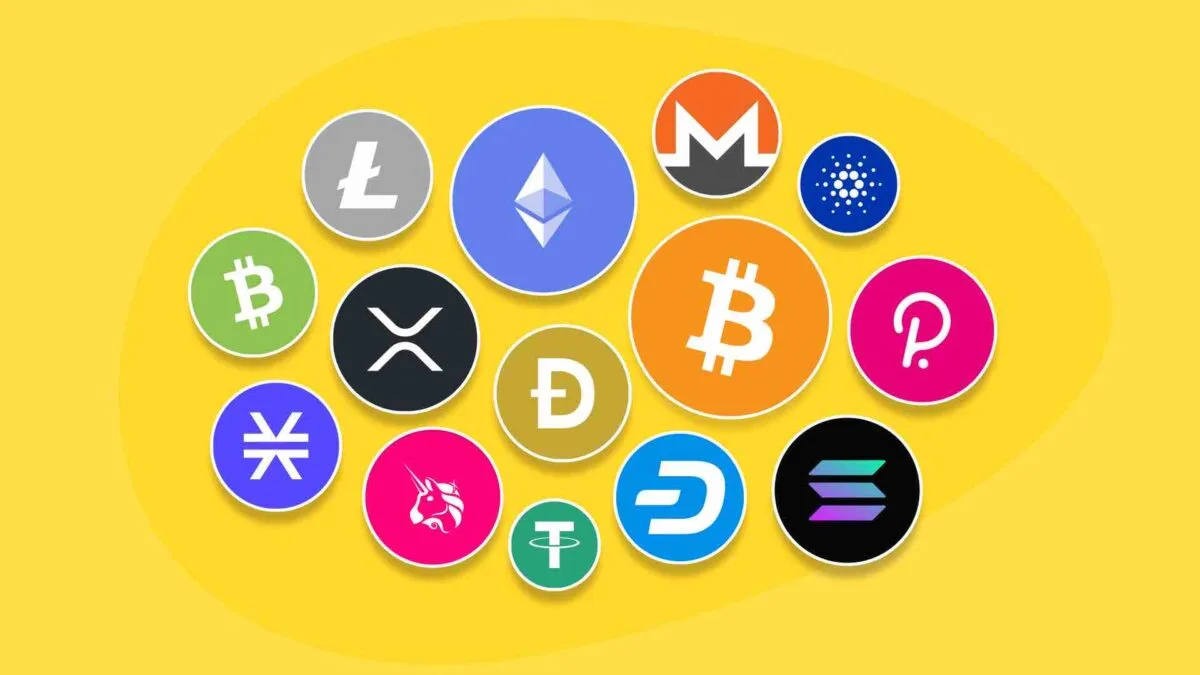
Here is a breakdown of the Layer 1 networks that continue to draw the most attention from developers, traders, and long-term investors this year.
1. Bitcoin (BTC)
Bitcoin remains the original Layer 1 blockchain and the most widely recognized digital asset in the world. Its capped supply of 21 million coins and its long track record of uptime make it the network most often described as “digital gold.” Bitcoin’s base layer is intentionally simple and conservative, which is part of why newer projects like Stacks have built smart contract capability that settles back to Bitcoin’s security.
2. Ethereum (ETH)
Ethereum is the Layer 1 network most developers still choose first when building decentralized applications. Its smart contract functionality, large developer community, and staking mechanism have kept it at the center of DeFi, NFTs, and tokenization projects. Ethereum’s continued transition toward rollup-centric scaling has also made it a hub that many Layer 2 networks settle back to.
3. Solana (SOL)
Solana is known for extremely fast transaction speeds and low fees, which has made it a favorite for gaming, consumer apps, and high-frequency DeFi trading. After recovering from earlier network stability concerns, Solana has rebuilt strong developer momentum and remains one of the most actively used Layer 1 chains today.
4. BNB Chain (BNB)
BNB powers one of the largest blockchain ecosystems in existence, tied closely to the Binance exchange. It supports smart contracts, DeFi applications, and a deflationary token model where supply is periodically reduced. Its large existing user base gives it a practical advantage in day-to-day transaction volume.
5. Avalanche (AVAX)
Avalanche stands out for its subnet architecture, which lets developers spin up custom blockchains tailored to specific use cases while still connecting back to the main network. This flexibility has made it appealing for enterprise use cases, gaming studios, and real-world asset tokenization projects.
6. Sui and Aptos
Both Sui and Aptos emerged from the same research lineage and represent a newer generation of Layer 1 design, built around parallel transaction processing for higher throughput. They are frequently grouped together as leaders of the “next-gen” Layer 1 category, and both have attracted meaningful developer and institutional interest.
7. Toncoin (TON)
Toncoin has grown quickly thanks to its integration with the Telegram messaging app, giving it built-in access to a massive potential user base. Its growing total value locked and expanding ecosystem have pushed it into the conversation among leading Layer 1 coins.
8. Sei (SEI)
Sei is a Layer 1 network built specifically for high-frequency decentralized trading. Its architecture is optimized for the speed and reliability that trading applications demand, making it a specialized player rather than a general-purpose chain.
9. Tron (TRX)
Tron has built a strong niche in fast, low-cost transactions, particularly for stablecoin transfers and content-related applications. Its consistent transaction volume keeps it firmly in the conversation among the top crypto Layer 1 coins to watch this year.
10. Stacks (STX)
Stacks extends Bitcoin’s functionality by enabling smart contracts and decentralized apps that draw on Bitcoin’s underlying security through a mechanism called Proof-of-Transfer. It is one of the more direct ways investors gain exposure to Bitcoin-secured smart contract activity.
Layer 1 vs Layer 2: Understanding the Difference
A common point of confusion for newcomers is the difference between a Layer 1 blockchain and a Layer 2 scaling solution. Here is the simplest way to think about it:
- Layer 1 networks (Bitcoin, Ethereum, Solana) provide the base security, consensus, and settlement layer.
- Layer 2 networks (Arbitrum, Optimism, Base, zkSync) are built on top of a Layer 1 to increase transaction speed and lower costs, while still relying on the base chain for final settlement.
Layer 1 coins generally anchor foundational value and security, while Layer 2 tokens are more focused on scalability and cost efficiency. Both categories matter, but they serve very different roles in the broader ecosystem.
How to Evaluate a Layer 1 Coin Before Investing
Not every Layer 1 project deserves a spot on your watchlist. Here are the factors worth checking before you decide a coin is worth following.
Market Capitalization and Circulating Supply
It is worth comparing “current market cap” against “fully diluted market cap.” A large gap between the two can signal future price pressure as more tokens enter circulation.
Developer and Ecosystem Activity
A Layer 1 network is only as strong as the applications built on it. Look for consistent developer activity, a growing number of live projects, and rising total value locked (TVL) across DeFi protocols on the chain.
Network Security and Decentralization
The number and distribution of validators or miners directly affects how resistant a network is to attacks or centralization risk.
Trading Volume and Liquidity
High and consistent trading volume across multiple exchanges generally indicates a healthier, more liquid market for a token, which matters both for investors and for the practical usability of the network.
Upgrade Roadmap
Because Layer 1 networks are complex and widely used, major upgrades can take a long time to roll out safely. A clear, realistic roadmap is a good sign that a project’s team understands the tradeoffs involved in changing core infrastructure.
For a deeper dive into how these networks scale, check out our related guide on Layer 2 scaling solutions and how they work (internal link anchor text suggestion: “Layer 2 scaling solutions explained”).
For further reading on blockchain consensus mechanisms, Investopedia’s overview of how blockchain technology works is a useful outbound resource.
Risks to Keep in Mind
Layer 1 investing is not without downsides. Upgrades to established networks can take years to implement because of how complex and widely relied upon they are. Network congestion during high-demand periods can also push transaction fees up sharply, something Ethereum users have experienced repeatedly before rollup-based scaling matured.
This article is for informational purposes only and does not constitute financial advice. Always do your own research before making investment decisions.
Conclusion
Layer 1 blockchains remain the backbone of the entire crypto industry, and understanding which networks are gaining real traction can help you make more informed decisions in a fast-moving market. From established leaders like Bitcoin and Ethereum to fast-growing challengers like Sui, Toncoin, and Sei, the top crypto Layer 1 coins to watch this year each offer a different mix of security, speed, and ecosystem growth. Before adding any of them to your portfolio, take the time to research their fundamentals, track their developer activity, and weigh the risks carefully. Start building your own watchlist of the top crypto Layer 1 coins to watch this year, and revisit it regularly as the market evolves.