Ever paid $30 in gas to swap a $50 token? That frustration is exactly why crypto layer 2 networks exist. This crypto layer 2 guide: how rollups cut fees and Boost Speed, explains what Layer 2 is, how rollups work, and which networks matter. You’ll also learn how to use them safely.
Blockchains like Ethereum are secure and decentralized, but they process a limited number of transactions per second. When demand spikes, fees climb and confirmations slow down. Layer 2 solutions fix this by moving most of the work off the main chain while still relying on it for security. If you’ve ever wondered why your transactions on Base or Arbitrum cost pennies, rollups are the answer.
What Is Crypto Layer 2?
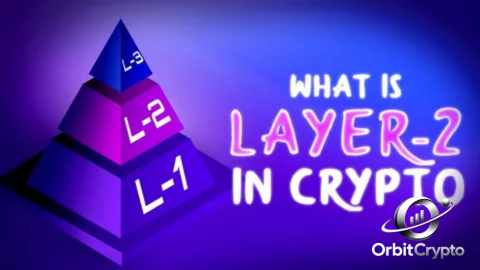
A crypto layer 2 (L2) is a separate blockchain or protocol built on top of a base blockchain, called Layer 1 (L1). It processes transactions away from the main network, bundles the results, and posts a compact record back to Layer 1. The main chain acts as a court of final appeal, and the Layer 2 does the day-to-day work.
Think of a busy airport. Layer 1 is the runway, which can only handle so many flights at once. Layer 2 is a fleet of shuttle buses that carry many passengers to a single plane. The runway stays safe and orderly, and far more people get where they’re going.
Layer 1 vs. Layer 2: The Core Difference
Layer 1 networks such as Ethereum and Bitcoin handle consensus, security, and final settlement. Every node verifies every transaction, which makes the system trustworthy but slow and expensive under load.
Layer 2 networks execute transactions off-chain, or on a separate execution layer, and send proof or data back to Layer 1. You get faster speeds and lower costs without asking the base chain to change how it works.
| Feature | Layer 1 | Layer 2 |
|---|---|---|
| Role | Settlement and security | Execution and scaling |
| Typical fees | Higher, volatile | Much lower |
| Speed | Limited throughput | High throughput |
| Security source | Own validators | Inherited from Layer 1 |
| Examples | Ethereum, Bitcoin | Arbitrum, Optimism, Base |
Why Layer 2 Matters: The Blockchain Trilemma
Blockchain developers talk about the “trilemma”: it’s hard to maximize security, decentralization, and scalability at the same time. Improve one, and you usually weaken another. Layer 2 sidesteps the tradeoff by keeping security and decentralization on Layer 1 while pushing scalability onto a second layer.
Crypto Layer 2 Guide: How Rollups Cut Fees and Boost Speed
Rollups are the dominant Layer 2 design today, and Ethereum’s own roadmap is built around them. A rollup executes transactions off-chain, compresses them into a batch, and publishes that batch to Layer 1. Because thousands of transactions share the cost of a single L1 post, each user pays only a tiny slice.
How Rollups Work Step by Step
- Users send transactions to the rollup network instead of directly to Ethereum.
- A sequencer orders them. This operator collects transactions and executes them quickly, often giving you near-instant confirmation.
- Transactions are batched and compressed, removing redundant data to keep the batch small.
- The batch is posted to Layer 1, along with either a validity proof or a way to challenge it.
- Layer 1 finalizes the result, so the rollup’s state is anchored to Ethereum’s security.
The result is that you get the speed of a lightweight network and the security guarantees of a heavyweight one.
Optimistic Rollups Explained
Optimistic rollups assume transactions are valid by default and only check them if someone raises a challenge. This challenge window, often about seven days, lets anyone submit a “fraud proof” if they spot an invalid batch.
The upside is strong compatibility with Ethereum tools and simple developer onboarding. The downside is that withdrawing to Layer 1 through the official bridge can take days because of the challenge period. Many users avoid the wait with third-party fast bridges.
ZK Rollups Explained
Zero-knowledge (ZK) rollups use cryptographic validity proofs. Instead of assuming everything is fine, they mathematically prove that every batch is correct before Layer 1 accepts it. Networks such as zkSync, Starknet, and Linea use this approach.
ZK rollups can finalize withdrawals much faster because there’s no waiting period for challenges. They are also more technically complex, though the tooling improves every year. Many researchers see ZK technology as the long-term endgame for scaling.
Why Rollups Cut Fees
Fees drop for two reasons: batching and cheaper data. Batching spreads one Layer 1 posting cost across thousands of users. Ethereum’s 2024 upgrade, EIP-4844, introduced “blobs,” a cheaper data space designed for rollups, and later upgrades have continued to expand that capacity. Together, these changes pushed typical Layer 2 fees down to cents or fractions of a cent for many transactions.
Why Rollups Boost Speed
Speed comes from the sequencer, which can confirm your transaction almost instantly without waiting for global consensus. Execution also happens in a less congested environment, so your swap doesn’t compete with thousands of unrelated transactions on Layer 1. Final settlement on Ethereum still takes longer, but the user experience feels immediate.
Other Types of Layer 2 Scaling Solutions
Rollups get the spotlight, but they aren’t the only approach. Here are the other main designs:
- State channels: Two parties lock funds on-chain, transact off-chain as often as they like, and settle the final balance on-chain. Bitcoin’s Lightning Network is the most famous example, and it’s ideal for frequent small payments.
- Sidechains: Independent blockchains with their own validators that connect to a main chain through a bridge. Polygon PoS is a well-known sidechain. They’re fast and cheap, but they don’t fully inherit Layer 1 security.
- Plasma: An older design that moves transactions into child chains and posts only summaries to the main chain. It has largely been overtaken by rollups.
- Validium: Works like a ZK rollup but stores transaction data off-chain, which cuts costs further but adds a data-availability trust assumption.
Popular Layer 2 Networks to Know
The Layer 2 landscape shifts quickly, so always check live rankings before committing funds. These networks are widely recognized:
- Arbitrum: A leading optimistic rollup with a deep DeFi ecosystem.
- Optimism (OP Mainnet): An optimistic rollup that created the OP Stack, which powers many other chains.
- Base: Built on the OP Stack and incubated by Coinbase, it has attracted a large consumer and social-app audience.
- zkSync Era: A ZK rollup focused on native account abstraction and low costs.
- Starknet: A ZK rollup using STARK proofs and its own smart-contract language, Cairo.
- Linea and Scroll: ZK rollups aimed at close Ethereum compatibility.
- Lightning Network: A Bitcoin Layer 2 for fast, low-cost payments.
For up-to-date data on total value secured, risk ratings, and technology stages, the independent tracker L2BEAT is a trusted starting point.
Benefits of Using Layer 2 Crypto Networks
- Lower fees: Everyday actions like swaps, mints, and transfers become affordable again.
- Faster confirmations: Apps feel responsive, which matters for gaming, social, and payments.
- Inherited security: Properly designed rollups lean on Ethereum rather than asking you to trust a new validator set.
- Better scalability: Millions of users can participate without clogging the base chain.
- Familiar tools: Most major L2s are EVM-compatible, so MetaMask and standard wallets work with only a network change.
Risks and Limitations of Layer 2
Layer 2 isn’t risk-free, and a good crypto layer 2 guide should say so plainly.
Centralized sequencers. Many networks still run a single sequencer. If it goes offline or censors transactions, users may need to use escape hatches on Layer 1. Several projects are working toward decentralized sequencing.
Bridge risk. Moving assets between layers requires bridges, and bridges have historically been prime targets for hackers. Use official bridges where possible and double-check addresses.
Fragmented liquidity. With dozens of networks, funds and users are spread thin. Moving between chains can be confusing and sometimes costly.
Maturity and upgrade keys. Some rollups still rely on admin keys or security councils that can change contract behavior. L2BEAT labels this clearly so you can weigh the risk.
Smart-contract bugs. New code can fail. Stick with audited, established projects, and never put in more than you can afford to lose.
How to Use a Layer 2 Network: Beginner Steps
- Pick a network that supports the apps you want to use.
- Add the network to your wallet. Most wallets and chain-list sites can do this in a click.
- Bridge a small test amount from Ethereum or an exchange. Many exchanges now support direct withdrawals to popular L2s, which can skip the bridge entirely.
- Keep a little ETH for gas. On most Ethereum L2s, fees are paid in ETH, though a few use a custom gas token.
- Start small. Make one swap or transfer, confirm everything works, then scale up.
- Verify before you sign. Check contract addresses and avoid unknown links.
The Future of Layer 2 Scaling
Ethereum’s roadmap treats rollups as the main way to scale, with Layer 1 focused on data availability and settlement. Expect growth in several directions. Sequencers are becoming more decentralized, ZK proof generation is getting cheaper and faster, and interoperability between rollups is improving so that moving across networks feels seamless. Projects are also exploring “based” rollups and shared sequencing to reduce fragmentation.
For everyday users, the goal is simple: the technology fades into the background, and you just notice that transactions are quick and cheap.
Conclusion: Start Exploring Crypto Layer 2 Today
Layer 2 scaling has changed how people use blockchains. By executing transactions off-chain and anchoring them to Ethereum, rollups deliver low fees, fast confirmations, and strong security together. Whether you prefer optimistic rollups or ZK rollups, the core idea is the same: do more work cheaply, and settle it safely.
Ready to put this crypto layer 2 guide- how rollups cut fees and boost speed into practice? Pick one network, bridge a small test amount, and try a simple swap to see the difference yourself. Then check L2BEAT before moving larger sums, and share this guide with a friend who’s tired of paying high gas fees.