If you’re searching for the best crypto staking platforms compared for 2026, you’re probably trying to answer one simple question: where can you earn the most from your crypto without taking on unnecessary risk? Staking has become one of the most popular ways for everyday investors to turn idle digital assets into a steady stream of passive income, but not every platform offers the same rewards, security, or user experience. Some prioritize high annual percentage yields (APY), while others focus on regulatory compliance, insurance protection, or beginner-friendly interfaces. In this guide, we’ve compared the best crypto staking platforms for 2026 based on reward rates, supported coins, fees, custody options, and overall safety — so you can choose the platform that actually fits your goals, whether you’re a complete beginner or an experienced DeFi user.
What Is Crypto Staking and How Does It Work?

Before comparing platforms, it helps to understand the mechanics behind staking itself.
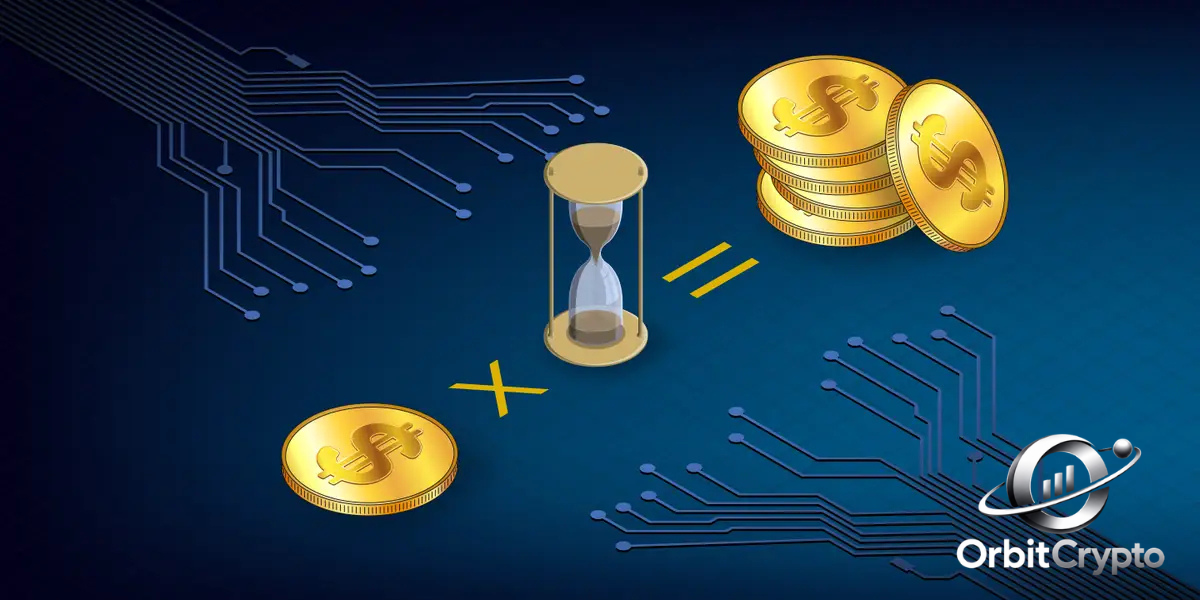
Crypto staking is the process of locking up your cryptocurrency to help support the operations of a proof-of-stake (PoS) blockchain network. In exchange for helping validate transactions and secure the network, stakers earn rewards — typically paid out in the same cryptocurrency they staked.
Unlike mining, which relies on computational power, staking relies on validators putting their own crypto holdings on the line as collateral. If a validator behaves dishonestly or experiences extended downtime, a portion of their staked assets can be “slashed,” or forfeited, as a penalty. This is one of the main risks to understand before choosing a platform.
Custodial vs. Non-Custodial Staking
There are two broad categories of staking platforms:
- Custodial staking platforms (like centralized exchanges) hold your crypto on your behalf and manage the technical staking process for you. This is simpler but means you don’t control your private keys.
- Non-custodial staking platforms (like Lido or Rocket Pool) let you retain control of your assets, often through smart contracts, while still earning staking rewards.
Understanding this distinction is essential when comparing the best crypto staking platforms for 2026, since it directly affects both convenience and risk exposure.
Why Comparing Staking Platforms Matters in 2026
The staking landscape has grown significantly more competitive, with dozens of exchanges and protocols now offering staking products. That’s exactly why a side-by-side comparison matters — the differences between platforms can meaningfully affect your returns and your risk exposure.
A few key factors separate a strong staking platform from a mediocre one:
- Reward rates (APY): These vary by coin and platform, and can range from under 3% to over 20%, depending on the asset and lock-up terms.
- Fees: Some platforms take a cut of your staking rewards, while others charge none.
- Lock-up periods: Flexible staking lets you unstake anytime; bonded or locked staking may require a waiting period.
- Security and insurance: Look for platforms with strong track records, transparent audits, and slashing protection.
- Supported assets: Not every platform supports every proof-of-stake coin.
- Regulatory status: Especially important for U.S. and EU-based investors navigating evolving crypto regulations.
Best Crypto Staking Platforms Compared for 2026
Here’s how some of the most widely used platforms stack up against each other. Rates and terms change frequently, so always verify current numbers directly on the platform before staking.
1. Coinbase — Best for Beginners
Coinbase remains one of the most beginner-friendly staking platforms available. Its clean interface makes it simple to stake popular assets like Ethereum, Solana, and Cardano directly from your exchange account, with no technical setup required.
Pros:
- Extremely easy to use for first-time stakers
- Strong regulatory compliance in the U.S.
- Wide range of supported coins
Cons:
- Staking rewards are generally lower than DeFi alternatives
- Coinbase takes a commission on staking rewards
2. Kraken — Best for Flexible Staking Rewards
Kraken is known for competitive rates and flexibility. It supports staking for a large number of proof-of-stake assets and offers both bonded (locked) and flexible staking options, letting users choose between higher rewards or easier access to funds.
Pros:
- No fees to begin or end staking
- Strong track record and security reputation
- Wide range of supported assets
Cons:
- Bonded assets may have multi-day unbonding periods
- Not available in all U.S. states
3. Binance — Best for Variety and High APYs
Binance offers one of the largest selections of stakeable assets, along with both flexible and locked staking products. Promotional rates can push APYs well above standard market averages for certain coins.
Pros:
- Large number of supported assets
- Frequent promotional staking offers
- Competitive base rates
Cons:
- Regulatory restrictions in some regions
- Promotional APYs are often temporary
4. Lido Finance — Best for Liquid Staking
Lido pioneered the concept of liquid staking, allowing users to stake Ethereum and receive a liquid token (stETH) in return. This token can still be used across DeFi protocols while continuing to earn staking rewards, solving one of staking’s biggest drawbacks: illiquidity.
Pros:
- Non-custodial — you retain more control over your assets
- Liquid staking tokens unlock DeFi opportunities
- Well-established, widely trusted protocol
Cons:
- Smart contract risk is inherent to DeFi platforms
- Primarily focused on Ethereum staking
5. Rocket Pool — Best for Decentralized Ethereum Staking
Rocket Pool offers a genuinely decentralized approach to Ethereum staking, using a permissionless network of independent node operators rather than relying on a single centralized entity.
Pros:
- Strong decentralization compared to centralized alternatives
- Transparent, community-driven governance
Cons:
- Slightly more technical than centralized platforms
- Limited to Ethereum and related liquid staking tokens
6. Crypto.com — Best for Mobile Staking
Crypto.com is a strong choice for mobile-first users, offering staking across nearly 30 different coins directly through its app, along with additional perks tied to its native CRO token.
Pros:
- Broad asset support
- Smooth mobile app experience
- Additional rewards for CRO token holders
Cons:
- Best perks often require locking up CRO
- Terms and boosted rates can change frequently
7. Nexo — Best for High-Yield Opportunities
Nexo is frequently cited among platforms offering some of the highest advertised APYs. As with any high-yield option, it’s worth doing extra due diligence on the sustainability of those rates before committing significant funds.
Pros:
- Competitive, sometimes market-leading APYs
- Simple account setup
Cons:
- Higher yields can come with higher platform risk
- Rates fluctuate and require regular monitoring
How to Choose the Right Staking Platform for You
With so many options, narrowing things down comes down to a few practical questions:
Are You a Beginner or Experienced Investor?
If you’re new to crypto, a centralized, beginner-friendly platform like Coinbase or Kraken removes much of the technical complexity. If you’re comfortable with self-custody and DeFi, non-custodial platforms like Lido or Rocket Pool may offer better long-term value.
How Important Is Liquidity to You?
If you don’t want your funds locked up, prioritize flexible staking options or liquid staking tokens. If you’re comfortable committing funds for longer periods in exchange for potentially higher rewards, bonded or locked staking may suit you better.
What’s Your Risk Tolerance?
Higher APYs often come with higher risk — whether that’s smart contract risk, platform insolvency risk, or regulatory risk. Balancing yield against safety is one of the most important parts of comparing the best crypto staking platforms for 2026.
Risks to Understand Before You Stake
Staking isn’t risk-free, and it’s worth being clear-eyed about the downsides:
- Slashing risk: Validators (and by extension, stakers) can lose a portion of their staked assets due to misbehavior or downtime.
- Lock-up risk: Locked staking means you can’t access your funds during periods of market volatility.
- Smart contract risk: DeFi staking protocols depend on code that could contain vulnerabilities.
- Platform risk: Centralized platforms can face hacks, insolvency, or regulatory action, as history has shown.
- Regulatory risk: Staking rules continue to evolve, and availability varies by country and even by U.S. state.
Because of these factors, this article is for general informational purposes only and shouldn’t be treated as financial advice — always do your own research and consider consulting a licensed financial advisor before staking significant funds. For deeper background on how proof-of-stake networks function, resources like the Ethereum Foundation’s official staking documentation are a good starting point for further reading.
Conclusion
Choosing among the best crypto staking platforms compared for 2026 ultimately comes down to matching a platform’s strengths to your own priorities — whether that’s ease of use, higher yields, flexibility, or decentralization. Beginners will likely find the most comfort with established, regulated exchanges, while more experienced users may prefer the control and DeFi integration offered by non-custodial protocols. Whichever direction you lean, take the time to compare APYs, fees, and lock-up terms before committing your funds. Ready to start earning passive income? Explore the platforms above, compare their current rates, and choose the best crypto staking platform for your 2026 investment strategy.