
Cryptocurrency is changing the way people manage digital money, and understanding Crypto Wallets is an important step for anyone entering the world of blockchain technology. Whether you want to explore Bitcoin, Ethereum, or other digital currencies, a crypto wallet helps you manage your digital assets and interact with blockchain networks.
Choosing the right wallet can be confusing for newcomers. Your journey with cryptocurrencies, on the other hand, can be made simpler and safer by acquiring a basic understanding of crypto wallets, their features, and security procedures.
What Are Crypto Wallets?
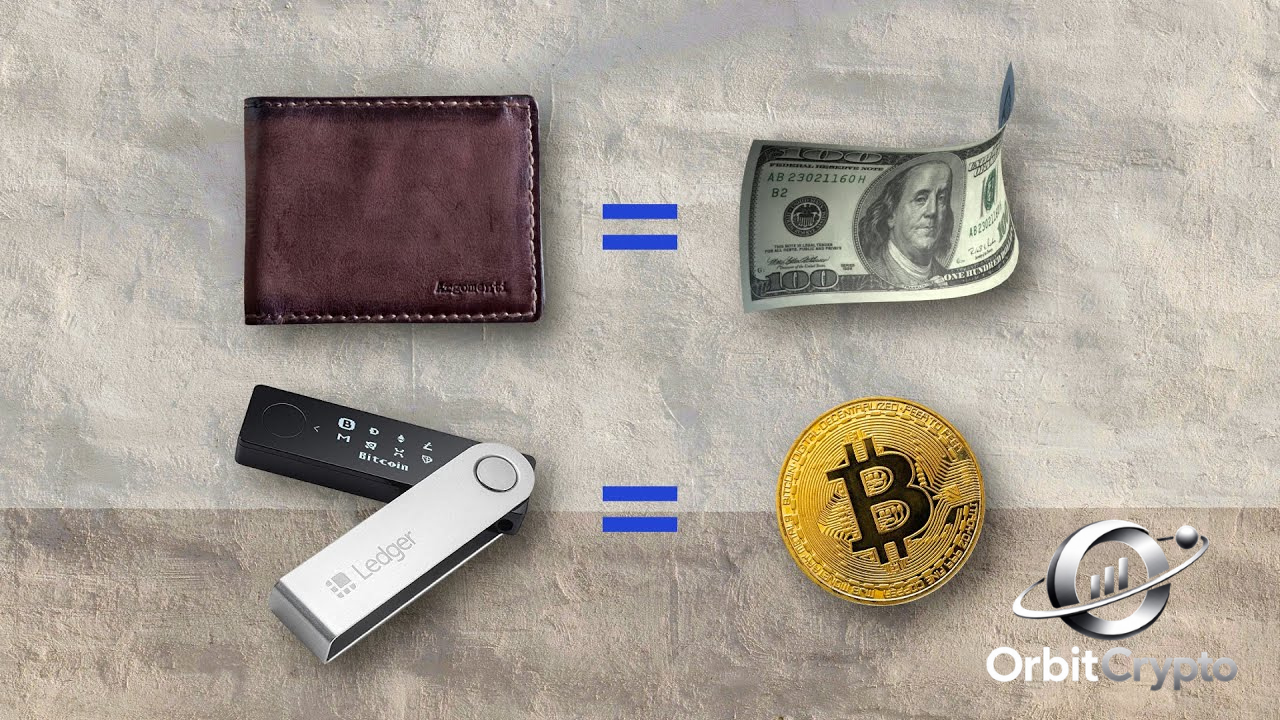
Crypto wallets are digital tools that allow users to access, send, receive, and manage cryptocurrencies. Unlike traditional wallets, they do not physically store coins.
Every crypto wallet uses two important elements: a public address and a private key. Your public address functions similarly to an account number that can be used to send cryptocurrency to other people. Your private key provides control over your funds and must remain confidential.
Understanding these basics is essential before using any cryptocurrency wallet.
Different Types of Crypto Wallets
There are several types of crypto wallets available, and each offers different features.
1. Hot Wallets
Hot wallets are connected to the internet and are commonly available as mobile applications, desktop software, or browser extensions. They make it easy to send and receive cryptocurrency.
MetaMask and Trust Wallet are two examples. These wallets are popular among beginners because they offer easy access to digital assets.
However, internet-connected wallets can face online security risks, so users should follow strong security practices.
2. Cold Wallets
Private keys are protected from online attacks by cold wallets by remaining offline. Hardware wallets are a typical illustration.
Devices from companies such as Ledger and Trezor allow users to manage cryptocurrency while keeping private keys away from internet-connected devices.
Cold wallets are often considered suitable for people holding cryptocurrency for longer periods.
How to Choose the Best Crypto Wallet
Choosing the right wallet depends on your needs, experience, and security preferences. Before selecting one, consider these important factors:
- Security: Look for strong encryption, secure recovery options, and additional authentication features.
- Supported Coins: Check whether the wallet supports Bitcoin, Ethereum, and the other cryptocurrencies you want to use.
- User Experience: Choose a simple interface that makes managing digital assets easier.
- Compatibility: Check whether it works with your smartphone, computer, or preferred blockchain network.
Never choose a wallet only because it promises rewards or unusually high returns.
Important Tips to Keep Your Crypto Wallet Safe
Security should always be a priority when managing digital currencies. Losing access to your private keys or recovery phrase may result in permanent loss of funds.
Follow these important safety tips:
- Download wallet applications only from official sources.
- Enable additional security features whenever available.
- Avoid clicking suspicious cryptocurrency links.
- Double-check wallet addresses before sending transactions.
- Test unfamiliar transfers with a small amount first.
Remember that legitimate wallet providers will never need your recovery phrase to provide ordinary customer support.
Benefits of Using Crypto Wallets
Users of cryptocurrencies benefit from a number of advantages offered by crypto wallets. They make it possible for individuals to manage digital assets without completely relying on conventional banking systems.
Supported cryptocurrencies can be sent and received, decentralized applications can be used, blockchain services can be explored, and digital holdings can be tracked by users.
Some wallets also support multiple blockchain networks, making it easier to manage different digital assets from one interface.
However, cryptocurrency transactions can be irreversible, and network fees may apply. Always understand the risks before making a transfer.
The Future of Crypto Wallets
As blockchain technology advances, the future of cryptocurrency wallets appears promising. New features are improving wallet security, simplifying transactions, and making decentralized applications more accessible.
The integration of smart contracts, support for multiple chains, and enhanced recovery mechanisms might make digital wallets easier for everyday users.
Understanding wallet technology will become increasingly useful for both novice and seasoned investors as cryptocurrency adoption grows.
Conclusion
Crypto wallets are essential tools for anyone interested in cryptocurrency and blockchain technology. Understanding wallet types, security features, and private key management can help users make informed decisions when handling digital assets.
Whether you choose a hot wallet for convenience or a cold wallet for offline key storage, always prioritize security and research before trusting a wallet with your funds.
Explore additional cryptocurrency guides, insights into the blockchain, wallet education, and the most recent developments in the digital asset industry at OrbitCrypto.