
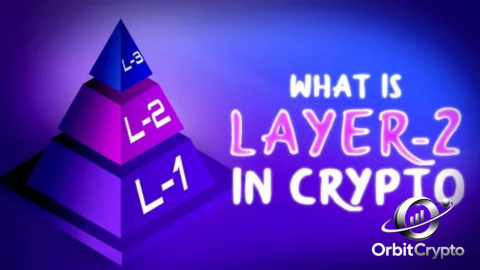
If you’ve ever tried to send crypto during a busy network period, you already know the pain: sky-high gas fees and transactions that crawl instead of confirm in seconds. This is exactly the problem that Crypto Layer 2 networks were built to solve. Layer 2 solutions sit on top of established blockchains like Ethereum and handle transactions off the main chain, then settle the results back to it. The outcome is dramatically faster speeds and a fraction of the cost, without giving up the security of the underlying network.
In this guide, you’ll learn exactly what Crypto Layer 2 means, how it works under the hood, which networks lead the space in 2026, and how you can start using one today. Whether you’re a trader tired of gas fees or a developer choosing where to build, understanding Layer 2 technology is now essential to navigating the modern crypto landscape.
What Is Crypto Layer 2?
Crypto Layer 2 refers to a secondary framework or protocol built on top of an existing blockchain (called Layer 1, or L1). Instead of processing every transaction directly on the main chain, a Layer 2 network handles the heavy lifting off-chain and then submits a compressed summary or proof back to Layer 1 for final settlement.
Think of Layer 1 as a busy highway with only a few lanes. Every car (transaction) has to squeeze through, causing traffic jams and high tolls during peak hours. A Layer 2 network is like building an express lane above that highway — thousands of cars can travel quickly and cheaply, then merge back onto the main road only when necessary.
Ethereum is the most common base layer for Layer 2 networks, largely because of its high fees during periods of congestion and its status as the leading smart contract platform. However, Layer 2 solutions also exist for Bitcoin (like the Lightning Network) and other major chains.
Why Layer 2 Networks Exist
Blockchains face what’s known as the “blockchain trilemma” — the challenge of achieving decentralization, security, and scalability all at once. Most base layer blockchains prioritize decentralization and security, which limits how many transactions they can process per second. Layer 2 networks solve this by moving transaction execution off-chain, allowing the base layer to remain secure and decentralized while scalability happens at a different layer.
How Does Crypto Layer 2 Work?
At a technical level, Layer 2 networks use several different methods to batch, verify, and settle transactions. The three most common approaches are rollups, sidechains, and state channels.
Rollups: The Dominant Layer 2 Model
Rollups are currently the most widely adopted form of Layer 2 scaling. They “roll up” hundreds or thousands of transactions into a single batch, execute them off-chain, and then post the compressed data back to the main chain. There are two primary types:
- Optimistic Rollups assume transactions are valid by default and only run a verification check if someone challenges them within a set window (commonly seven days).
A sidechain is an independent blockchain that runs parallel to the main chain and connects to it through a bridge. Sidechains have their own consensus mechanisms and validators, which makes them fast and flexible, but they don’t inherit the full security guarantees of the base layer the way rollups do.
State Channels
State channels allow two or more parties to transact directly with each other off-chain, only recording the opening and closing balance on the main blockchain. This model works well for high-frequency, repeated transactions between the same participants, such as micropayments or gaming applications.
Crypto Layer 2: Faster, Cheaper Transactions Explained
The core promise of Crypto Layer 2 technology comes down to two things: speed and cost. Here’s how each is achieved.
Faster transactions happen because Layer 2 networks don’t need to wait for every single validator on the main chain to confirm each individual transaction. Instead, thousands of transactions are batched together and processed almost instantly on the Layer 2 network itself, with only the final proof needing confirmation on Layer 1.
Together, these improvements mean everyday actions like swapping tokens, minting NFTs, or sending payments become practical again, even during periods when the base layer is congested and expensive.
Top Crypto Layer 2 Networks in 2026
The Layer 2 ecosystem has matured significantly, and a handful of networks now handle the majority of activity and total value locked (TVL). While rankings shift with market conditions, the networks below remain among the most established:
- Arbitrum — One of the longest-running optimistic rollups, known for deep liquidity and a mature DeFi ecosystem.
- Base — Built by Coinbase on the OP Stack, Base has seen rapid growth in users and transaction volume thanks to easy on-ramps and consumer-friendly apps.
- Optimism (OP Mainnet) — Powers the “Superchain” vision, an interconnected network of rollups including Base and other OP Stack chains.
- zkSync Era — A zero-knowledge rollup focused on fast finality and increasingly used for institutional and tokenized asset applications.
- Starknet and Linea — Newer zero-knowledge rollups gaining traction for their proving speed and developer tooling.
Each network has slightly different trade-offs around decentralization progress, fees, and ecosystem maturity, so it’s worth comparing current data on a source like L2BEAT, which tracks live metrics such as TVL, fees, and decentralization stage across Layer 2 networks.
Benefits of Layer 2 Crypto Solutions
Lower Transaction Costs
By batching transactions, Layer 2 networks cut gas fees dramatically compared to using the base chain directly, sometimes by more than 90%.
Higher Throughput
Layer 2 networks can process far more transactions per second than most base layer blockchains, making them suitable for applications like gaming, high-frequency trading, and micropayments.
Inherited Security
Because rollups post their data and proofs back to the main chain, they benefit from the security and decentralization of the underlying Layer 1, unlike fully independent blockchains.
Ecosystem Growth
Lower fees and faster speeds have opened the door to entirely new categories of applications, from on-chain gaming to consumer social apps, that weren’t economically viable on Layer 1 alone.
Challenges and Risks of Layer 2 Networks
Layer 2 technology isn’t without trade-offs. It’s worth understanding the risks before diving in:
- Bridge risk — Moving assets between Layer 1 and Layer 2 typically requires a bridge, and bridges have historically been a common target for exploits.
- Centralization concerns — Many Layer 2 networks still rely on a centralized sequencer to order transactions, which introduces a degree of trust despite the underlying security mode
How to Get Started With Crypto Layer 2
- Choose a network based on your needs — DeFi trading, gaming, or general use each have networks that specialize in that area.
- Bridge your assets from Layer 1 to your chosen Layer 2 using the network’s official bridge or a trusted third-party bridge aggregator.
- Add the network to your wallet (most wallets like MetaMask support this with a few clicks or an automatic prompt).
- Start transacting — swap tokens, mint NFTs, or use decentralized apps at a fraction of the cost of Layer 1.
If you’re new to blockchain fundamentals in general, it may help to first read our guide on how blockchain networks achieve consensus before diving deeper into Layer 2 architecture.
Conclusion
Crypto Layer 2 technology has fundamentally changed what’s possible in blockchain, turning slow, expensive networks into fast, affordable systems capable of supporting real-world applications at scale. Whether you’re trading, building, or simply exploring, understanding how Crypto Layer 2 delivers faster, cheaper transactions puts you ahead of the curve in 2026’s blockchain landscape. Ready to experience the difference for yourself? Bridge your assets to a leading Layer 2 network today and see how fast and affordable crypto transactions can really be.





One thought on “Crypto Layer 2: Faster, Cheaper Transactions Explained”