Losing your coins is the fastest way to turn a good investment into a painful lesson. Billions of dollars are stolen in crypto hacks, phishing attacks, and scams every year, and many more are lost to forgotten passwords and broken devices. You will learn how crypto wallets work, how hot and cold storage differ, and which security features matter most. By the end, you will know which type of wallet fits your budget, your experience level, and the amount of crypto you own.
Whether you hold a small amount of Bitcoin or a diversified portfolio of tokens, the right wallet gives you real ownership and peace of mind. Let’s start with the basics.
What Are Crypto Wallets and How Do They Work?
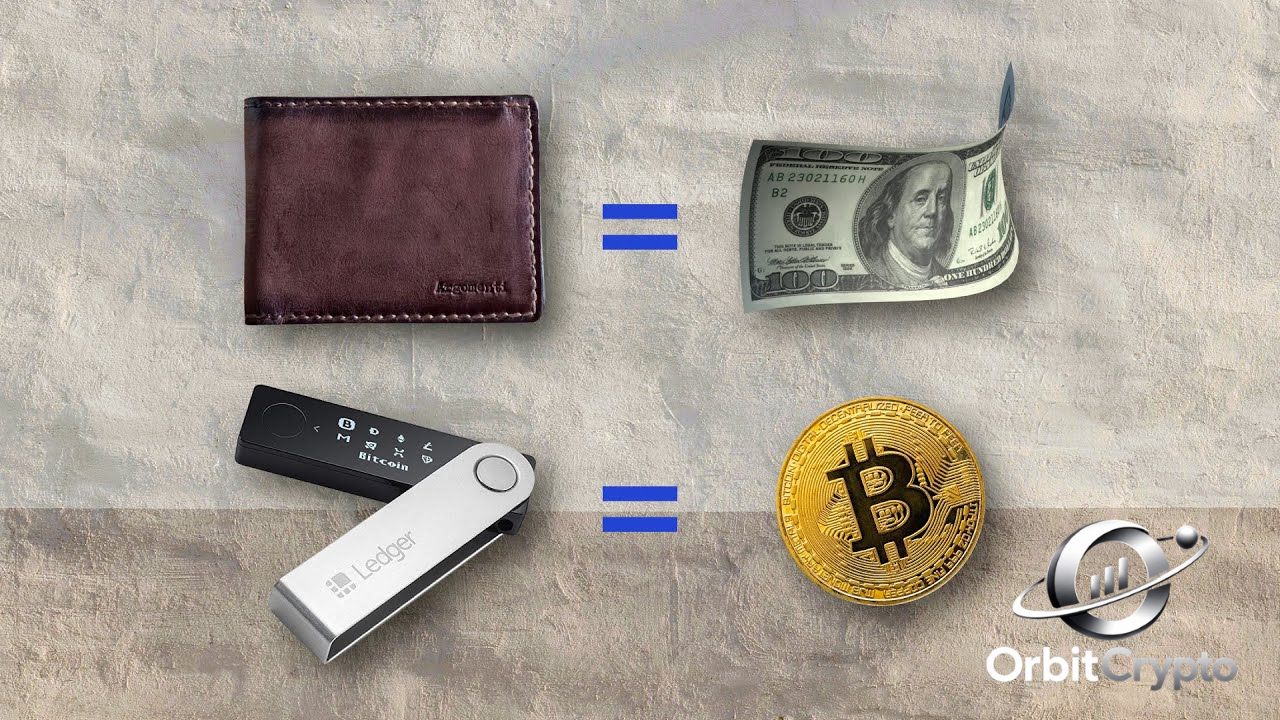
A crypto wallet does not store coins the way a leather wallet stores cash. Your coins live on the blockchain, a public ledger that records who owns what. What a wallet stores is the proof of ownership: a pair of cryptographic keys that lets you send, receive, and manage your assets. For a deeper technical overview, ethereum.org keeps a clear guide to crypto wallets that is worth bookmarking.
Public Keys and Private Keys Explained
Your public key creates your wallet address, which works like an email address. Anyone can send crypto to it. Your private key works like the password that unlocks those funds. Whoever holds the private key controls the coins, which is why the saying “not your keys, not your coins” is so popular in the crypto community.Custodial vs Non-Custodial Wallets
A custodial wallet means a third party, such as an exchange, holds your private keys for you. It is convenient, and you can usually reset your password if you forget it. The risk is that you depend on the company’s security and solvency.
A non-custodial wallet, also called a self-custody wallet, puts you in full control. You hold the keys, so nobody can freeze your account or block your withdrawals. In return, you carry all the responsibility for keeping those keys safe.
Understanding this difference is the foundation for choosing the safest way to store coins. Everything else, from hot wallets to hardware devices, builds on it.
Types of Crypto Wallets: Hot, Cold, and Everything in Between
Crypto wallets fall into two main groups, based on whether they connect to the internet. Each group has its own strengths and trade-offs, and most experienced holders use both.
Hot Wallets (Software Wallets)
Hot wallets stay connected to the internet. They include mobile apps, desktop programs, browser extensions, and web wallets. Well-known examples include MetaMask, Trust Wallet, Exodus, and Phantom.
Hot wallets are usually free, fast, and easy to use. They are ideal for everyday payments, trading, and connecting to decentralized apps such as DeFi platforms and NFT marketplaces. The downside is exposure. Malware, phishing sites, and fake apps all target hot wallets, so keep only the amount you could afford to lose in one.
Cold Wallets (Hardware and Paper Wallets)
Cold wallets keep your private keys offline. The most common type is the hardware wallet, a small device that signs transactions internally, so your keys never touch your computer or phone. Popular brands include Ledger, Trezor, and Coldcard.
Hardware wallets are widely seen as the safest option for long-term storage because hackers cannot reach them through the internet. They cost money, typically from around $60 up to a couple of hundred dollars depending on the model, and you must keep them physically safe. Paper wallets, which are printed keys, are an older form of cold storage. Most experts now discourage them because they are easy to damage and easy to generate incorrectly.
Hot Wallet vs Cold Wallet: Quick Comparison
| Feature | Hot wallet | Cold wallet |
|---|---|---|
| Internet connection | Always online | Offline |
| Security level | Moderate | High |
| Cost | Usually free | Paid device |
| Best for | Daily use and small amounts | Long-term savings and large amounts |
| Ease of use | Very easy | Moderate |
| Main risk | Malware and phishing | Loss, damage, or a counterfeit device |
Hardware Wallet vs Software Wallet: Which Fits You?
The hardware wallet vs software wallet question comes down to how you use your coins. If you trade often or use DeFi apps, a software wallet saves time. If you plan to hold for months or years, a hardware wallet gives you far stronger protection. Many people start with a software wallet and add a hardware device once their balance grows.
Multi-Signature and Smart Contract Wallets
Advanced users can add another layer of safety with multi-signature (multisig) wallets. These require two or more keys to approve a transaction, for example two out of three. A single stolen key then cannot drain your funds. Multisig setups suit businesses, families, and anyone with a large portfolio. Smart contract wallets go further by adding features such as spending limits and social recovery, which lets trusted contacts help you regain access.
Crypto Wallets: How to Choose the Safest Way to Store Coins
There is no single best wallet for everyone. The safest choice depends on how much you hold, how often you trade, and how comfortable you are with technology. Use the checklist below to compare your options, and see the Bitcoin.org wallet chooser if you want an independent starting point.
1. Check Who Controls the Private Keys
For maximum safety, choose a non-custodial wallet where you hold the keys. Use custodial storage only for money you plan to trade soon, because you are trusting the company with your funds.
2. Look for a Strong Security Track Record
Pick wallets that have been around for years, publish independent security audits, and fix vulnerabilities quickly. Open-source wallets let outside experts inspect the code, which is a good sign. A wallet with no public team and no audit history is a red flag.
3. Confirm Which Coins and Networks It Supports
Not every wallet supports every blockchain. Before you buy or download, check that the wallet supports the coins, tokens, and networks you own or plan to buy. Sending coins to an unsupported address can mean permanent loss.
4. Review Backup and Recovery Options
A safe wallet gives you a clear way to back up and restore your funds. Look for seed phrase support, and consider wallets that let you add a passphrase, an extra word that creates a hidden wallet, for another layer of protection.
5. Match the Wallet to Your Experience Level
The best crypto wallet for beginners is simple, clear, and hard to misuse. A mobile wallet with a clean interface is a good place to start. As your holdings grow, move to a hardware wallet. Complex tools are not safer if you set them up wrong.
6. Buy Hardware Wallets Only from Official Sources
Purchase directly from the manufacturer’s website or an authorized reseller. Never buy a used device, and never use one that arrives with a pre-written seed phrase or damaged packaging. Tampered devices are a known scam.
A Simple Rule of Thumb
Split your coins the way you split your cash. Keep a small amount in a hot wallet for spending, and store the rest in a cold wallet for saving. Many experienced holders follow this approach because it balances safety and convenience, and it limits the damage if one wallet is ever compromised.
Best Crypto Wallets to Consider in 2026
Wallet features change quickly, so check each official website for current details before you buy or download. The options below are well-known choices in each category, not paid placements.
Best Hardware Wallets for Long-Term Storage
- Ledger (Nano series): Uses a secure element chip and supports a very wide range of coins. It pairs with Ledger’s companion app on phone and desktop.
- Trezor (Safe series): Known for open-source firmware that the community can review. A strong pick if transparency matters to you.
- Coldcard: Bitcoin-only and built for security-minded users who want advanced features such as air-gapped signing.
Best Software Wallets for Everyday Use
- MetaMask: A popular browser and mobile wallet for Ethereum and compatible networks, widely used with DeFi and NFT apps.
- Trust Wallet: A mobile-first wallet that supports many blockchains and is friendly to beginners.
- Exodus: Known for a clean design and a simple desktop and mobile experience.
- Phantom: A leading wallet for the Solana ecosystem that has expanded to several other networks.
Best Crypto Wallet for Beginners
Start with a reputable mobile wallet such as Trust Wallet or Exodus, practice with a small amount, and learn how to back up your seed phrase. Once your balance grows to an amount that would hurt to lose, add a hardware wallet.
Keep in mind that even the best crypto wallets are only as safe as your habits. The next section shows how to protect whichever one you choose.
How to Store Cryptocurrency Safely: 8 Security Tips
Even the best wallet fails when the owner makes a simple mistake. Follow these habits to protect your crypto wallets from the most common attacks.
- Write your seed phrase on paper or metal. Never store it in a photo, a notes app, cloud storage, or an email. A fireproof metal backup plate protects against fire and water damage.
- Keep backups in separate secure places. Two copies in two locations, such as a home safe and a bank deposit box, guard against theft and disaster.
- Never share your seed phrase. No real support agent, exchange, or wallet company will ever ask for it. Anyone who does is a scammer.
- Turn on two-factor authentication. Use an authenticator app or a hardware security key instead of SMS codes, which can be hijacked through SIM swaps.
- Verify addresses before sending. Clipboard malware can swap the address you copied. Check the first and last characters, and send a small test transaction before any large transfer.
- Download apps only from official sources. Fake wallet apps and browser extensions turn up in app stores. Type the official URL yourself instead of clicking ads or links in messages.
- Keep your software updated. Update your wallet app, firmware, phone, and computer regularly to close known security holes.
- Read every signing request. In DeFi apps, check what you approve and revoke old permissions you no longer use.
Security is a habit, not a one-time setup. Review your setup every few months, and again whenever your portfolio grows.
Common Mistakes to Avoid When Choosing Crypto Wallets
Learning from other people’s mistakes costs far less than learning from your own. Watch out for these common traps.
- Leaving everything on an exchange. Exchanges can be hacked, freeze withdrawals, or go bankrupt, as several high-profile collapses have shown. Move long-term holdings to self-custody.
- Buying a hardware wallet from a marketplace seller. Third-party listings can carry tampered devices. Buy direct from the maker.
- Taking a screenshot of the seed phrase. Photos often sync to the cloud automatically, where attackers can find them.
- Falling for “wallet validation” scams. Any website that asks you to type your seed phrase to “verify” or “sync” your wallet is trying to steal it.
- Skipping a recovery test. Before depositing a large amount, practice restoring the wallet with a small one so you know your backup works.
- Choosing complexity over clarity. A simple setup you understand beats an advanced one you misconfigure.
- Forgetting an inheritance plan. If something happens to you, your family needs a safe way to reach your assets. Leave clear instructions about where your backups are kept, and never write the seed phrase itself in an insecure place.
Crypto Wallets FAQs
What is the safest type of crypto wallet?
A hardware wallet is generally the safest option for most people because it keeps your private keys offline. Pair it with a securely stored seed phrase backup for strong protection against online attacks.
Are crypto wallets safe?
Crypto wallets are safe when you choose a reputable one and follow good habits. Most losses come from phishing, leaked seed phrases, and fake apps, not from flaws in the wallet technology itself.
Can I store crypto without a wallet?
You can leave coins on an exchange, but then the exchange holds your keys. For real ownership and better protection, use your own non-custodial wallet.
What happens if I lose my crypto wallet?
If you have your seed phrase, you can restore your funds on a new device. Without it, the coins are almost certainly gone, because no company can recover private keys for you.
Do I need more than one crypto wallet?
Many people use two: a hot wallet for spending and trading, and a cold wallet for long-term savings. This split limits your risk if your everyday wallet is compromised.
Conclusion: Choose the Safest Way to Store Your Coins Today
Choosing the right crypto wallets comes down to a few clear steps: hold your own keys, match the wallet to your balance and experience, back up your seed phrase offline, and buy hardware devices only from official sellers. Use hot wallets for convenience and cold storage for serious savings.
Now it is your turn. Review where your coins live today, then use this guide to crypto wallets: how to choose the safest way to store coins and move your long-term holdings into self-custody this week. Start small, test your backup, and build your security step by step.
Found this guide helpful? Share it with a friend who owns crypto, and tell us in the comments which wallet you trust most.